




Why is education important? It’s a question every parent, student, and policymaker asks at some point, and the answer touches almost every part of modern life. Education isn’t just about memorizing facts or passing exams. It’s the foundation that shapes how people think, solve problems, earn a living, and contribute to their communities.
In the United States and around the world, education determines who gets access to better jobs, higher income, and improved health outcomes. It also plays a direct role in reducing poverty and building stronger, more equal societies. Whether you’re a student wondering why learning matters, a parent trying to motivate your child, or simply curious about the bigger picture, this guide breaks down exactly why education is important in life, in careers, and in society. You’ll walk away understanding not just what education does, but why it remains one of the most powerful tools for personal and collective growth.
What Is Education?
The Meaning and Purpose of Education
Education is the structured process of gaining knowledge, skills, values, and habits through teaching, training, or personal study. It happens in classrooms, but it also happens through reading, hands-on experience, mentorship, and everyday problem-solving. At its core, education exists to prepare people to think critically, communicate effectively, and navigate the world with confidence.
Education isn’t limited to a diploma or degree. It includes formal schooling, vocational training, online courses, and self-directed learning. What connects all these forms is a shared goal: helping people grow into capable, informed individuals who can make good decisions for themselves and their communities.
Why Is Education Important in Our Life?
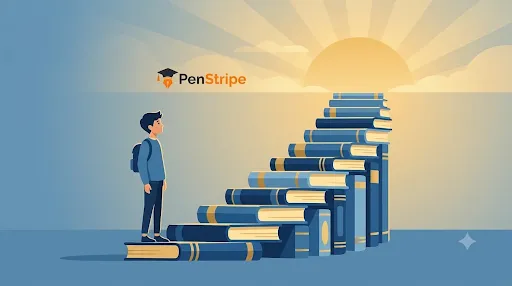
Understanding why education is important in our life starts with looking at what it actually changes in a person’s day-to-day reality. Below are five core reasons education matters on a personal level.
1. Education Builds Knowledge and Skills
Education gives people the tools to understand the world around them, from basic literacy and math to specialized technical skills. These skills directly affect a person’s ability to solve everyday problems, from managing a budget to understanding a medical diagnosis.
2. Education Improves Critical Thinking
A strong education teaches people how to analyze information, question assumptions, and separate fact from opinion. In an age of misinformation, this skill is more valuable than ever. People who can think critically are less likely to be misled by false claims or manipulative marketing.
3. Education Builds Confidence
Learning new skills and mastering difficult subjects builds a sense of accomplishment. Students who succeed academically often carry that confidence into other areas of life, including relationships, careers, and personal goals.
4. Education Creates Better Career Opportunities
Education is directly tied to employability. According to the U.S. Bureau of Labor Statistics, workers with a bachelor’s degree typically earn significantly more per week than those with only a high school diploma, and they experience lower unemployment rates on average.
5. Education Helps People Make Better Decisions
From financial planning to health choices, educated individuals tend to make more informed decisions. This isn’t about intelligence; it’s about having access to knowledge and the ability to evaluate options carefully.
Quick takeaway: If you only remember five things about the importance of education, remember this it builds knowledge, sharpens thinking, boosts confidence, opens career doors, and improves decision-making. Together, these five pillars explain why the topic matters so much to individuals and families alike.
Importance of Education for Students
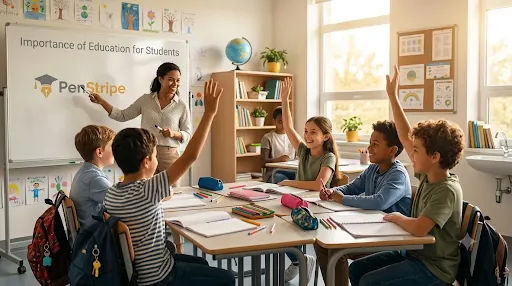
How Education Shapes a Student’s Future
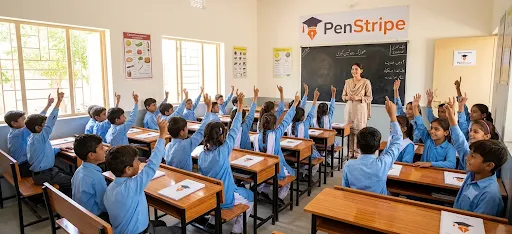
For young people, education is more than schoolwork. It’s the process that shapes identity, ambition, and future opportunity. Why is education important to students specifically? Because the habits, knowledge, and social skills built during school years often determine the paths available later in life.
Students who receive a quality education are more likely to graduate, pursue higher education, and enter stable careers. They also tend to develop stronger communication skills, teamwork abilities, and resilience qualities that matter far beyond the classroom.
Why Learning Is Important Beyond the Classroom
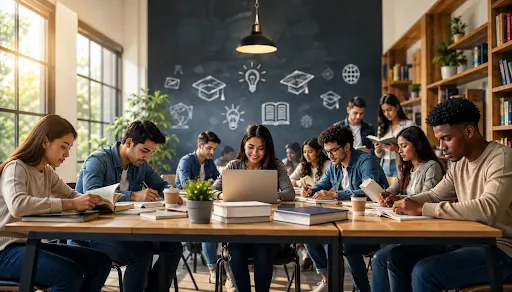
Learning doesn’t stop when the school bell rings. Students who develop a genuine love of learning carry curiosity into adulthood, which supports career adaptability and personal growth. This is especially important as industries change and new skills become necessary throughout a person’s working life. Why is learning important? Because it keeps people adaptable in a world where change is constant.
Education also gives children and teens a structured environment to build social-emotional skills, including empathy, patience, and conflict resolution. These skills are just as important as academic knowledge for long-term success.
How Education Helps Your Career

Better Job Opportunities
Employers consistently look for candidates with relevant education and training. A degree, certificate, or specialized skill set signals to employers that a candidate has the discipline and knowledge to succeed in a role. In competitive job markets, education often becomes the deciding factor between candidates.
Professional Skills and Career Growth
Beyond landing a job, education helps people grow within their careers. Professional development courses, certifications, and continued education allow workers to move into leadership roles, switch industries, or increase their earning potential over time.
The Importance of Continuous Learning
The job market is changing faster than ever due to automation and Workers who commit to lifelong learning, whether through formal courses or self-study, stay relevant and competitive. This is one of the clearest, practical answers to why education is important for the world of work today.
Importance of Education in Society
Education doesn’t just benefit individuals. It shapes entire communities and nations. Here’s why education is important in society, broken down into key areas.
Education Helps Reduce Poverty
Education is one of the strongest tools for breaking cycles of poverty. According to UNESCO, each additional year of schooling can increase an individual’s income significantly, and communities with higher education levels tend to see reduced poverty rates over time.
Education Supports Economic Growth
Countries with strong education systems generally experience stronger economic development. Educated workforces attract businesses, drive innovation, and increase productivity, all of which contribute to a healthier national economy.
Education Promotes Equality
Access to quality education helps level the playing field between different social and economic groups. When education is accessible to everyone, regardless of background, it reduces inequality and creates more opportunities for upward mobility.
Education Creates Responsible Citizens
Education teaches people about civic responsibility, laws, and community values. Educated citizens are more likely to participate in voting, community service, and informed public discourse, which strengthens democratic societies.
Why Education Is Important for the Future
Technology and Changing Job Skills
Automation, artificial intelligence, and digital tools are reshaping nearly every industry. Jobs that existed a decade ago are disappearing, while entirely new roles are emerging. Education, especially in STEM fields and digital literacy, prepares people to adapt to this shifting landscape.
The Growing Importance of Lifelong Learning
Traditional education used to end after college. Today, lifelong learning is essential. Professionals regularly update their skills through online courses, workshops, and certifications to stay competitive as industries evolve.
Preparing Future Generations for New Challenges
Climate change, global health, and technological disruption are just a few of the challenges future generations will face. Strong education systems prepare young people with the critical thinking and problem-solving skills needed to address these complex issues.
Challenges to Accessing Quality Education
Understanding the importance of education also means recognizing the barriers that prevent people from accessing it.
Financial Barriers
Tuition costs, school supplies, and transportation expenses can make education inaccessible for low-income families, both in the U.S. and globally.
Lack of Resources and Technology
Not every student has access to reliable internet, updated textbooks, or qualified teachers. This gap became especially visible during remote learning periods, when students without technology fell behind.
Educational Inequality
Geographic location, socioeconomic status, and systemic inequities all affect the quality of education a student receives. Addressing these gaps is essential to ensuring education benefits everyone, not just those with existing advantages.
How Can We Improve Education?
Making Education More Accessible
Expanding scholarships, reducing tuition costs, and increasing funding for underserved schools can help close access gaps.
Using Technology in Learning
Digital tools, online courses, and educational apps can extend quality learning resources to students who might not otherwise have access to them.
Focusing on Practical and Future Skills
Modern education systems benefit from incorporating real-world skills like financial literacy, digital literacy, and critical thinking alongside traditional academic subjects.
Education Access: Then vs. Now
| Factor | Traditional Education (Past) | Modern Education (Today) |
| Access | Limited to those near schools | Expanded through online learning |
| Cost | Often lower but resources limited | Higher tuition, but more free resources online |
| Skills Taught | Primarily academic subjects | Academic plus digital and soft skills |
| Learning Pace | Fixed schedules | Flexible, self-paced options available |
| Global Reach | Localized | Global access through the internet |
Frequently Asked Questions
Why is education important in simple words?
Education is important because it gives people the knowledge and skills needed to understand the world, make good decisions, and build a stable future. In short, it opens doors that would otherwise stay closed, both personally and professionally.
Why is education important for success?
Education provides the foundational skills and knowledge required to pursue career opportunities, earn higher income, and make informed life decisions. While not the only factor in success, it significantly increases the likelihood of achieving personal and professional goals.
How does education help society?
Education helps society by reducing poverty, supporting economic growth, and creating informed, engaged citizens. Communities with higher education levels tend to experience lower crime rates, better public health outcomes, and stronger civic participation
Why is education important for children?
Education gives children the tools to develop cognitively, socially, and emotionally. It builds foundational skills like reading, math, and critical thinking while also teaching essential life skills such as teamwork, communication, and problem-solving
What is the biggest benefit of education?
The biggest benefit of education is the ability to think critically and make informed decisions. This single skill impacts nearly every area of life, from career choices to personal relationships to civic participation.
Is money more important than education?
Money and education aren’t opposites; they’re connected. Education often leads to higher-paying career opportunities over time, making it a long-term investment rather than a competing priority. Most financial stability is built on skills and knowledge gained through education.
Why is education important for girls and women specifically?
Educating girls and women has a ripple effect on families and communities. It’s linked to improved health outcomes, reduced child marriage rates, and increased economic participation, according to global development research from organizations like UNESCO and the World Bank..
What are 20 reasons education is important?
Education builds knowledge, improves critical thinking, boosts confidence, increases career opportunities, supports better decision-making, reduces poverty, promotes equality, strengthens communities, encourages civic participation, and prepares people for a changing job market, among many other lasting benefits.
Conclusion
So, why is education important? Because it shapes nearly every part of human life, from personal confidence and career opportunity to societal progress and economic growth. Education helps students build critical thinking skills, gives workers a competitive edge, and equips entire communities to reduce poverty and inequality. As technology and the job market continue to evolve, the importance of education, and especially lifelong learning, will only grow.
Whether you’re a student, a parent, or simply someone invested in a better future, the takeaway is clear: education is not a luxury. It’s a necessity. Start by prioritizing learning in your own life, encouraging it in your community, and supporting policies that make quality education accessible to everyone. The more we invest in education today, the stronger our future will be.